Description
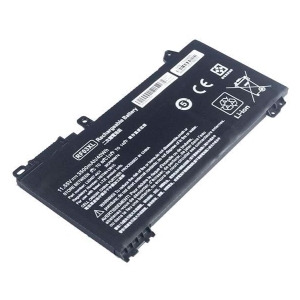
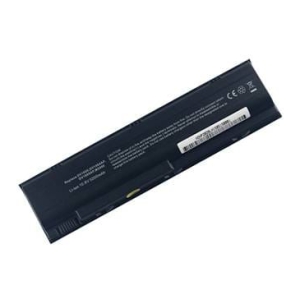
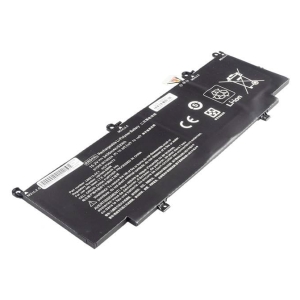
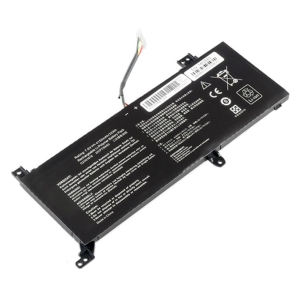
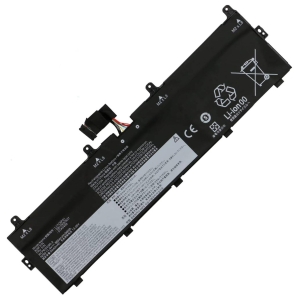
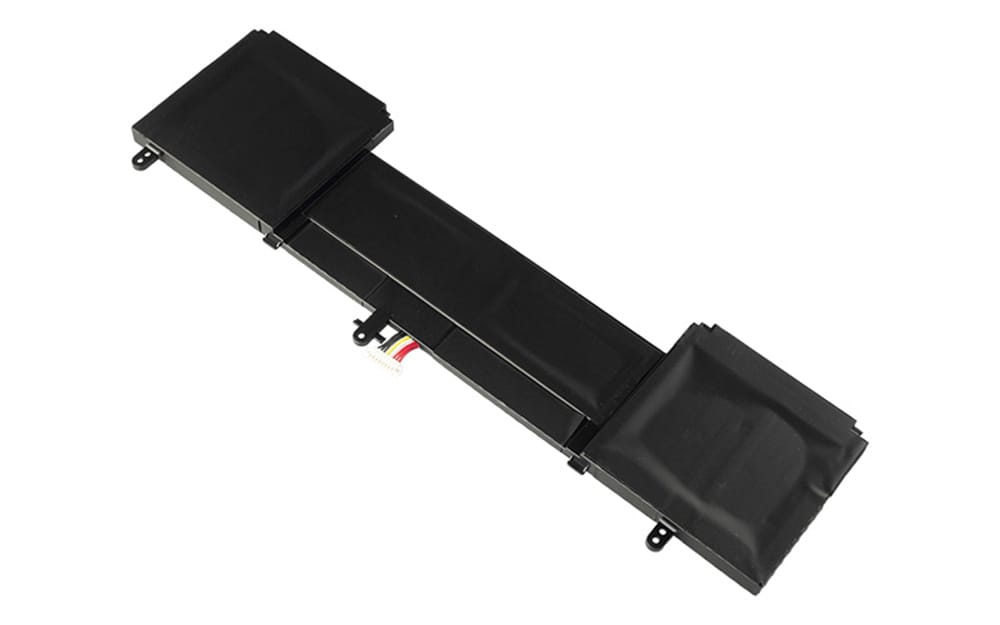
C42N1839 Battery for ASUS ZenBook 15 UX533FD UX534FA UX563FD (15.2V 52Wh 6-Cell Li-Poly)
Specifications
Voltage 15.2V,
Capacity 3400mAh/52Wh,
Number of Cells/type 6 Cell (Li Poly),
Colour Black
Compatible Part Numbers
- C42N1839
- 0B200-03470000
Compatible Devices
- ZenBook 15 UX533FAC
- ZenBook 15 UX533FTC
- ZenBook 15 UX534FA
- ZenBook 15 UX534FAC
- ZenBook 15 UX534FT
- ZenBook 15 UX534FTC
- ZenBook 15 UX563FD
- Q537FD
- Q546F
- Q547FD
- ZenBook 15 UX533FD
- ZenBook UX533FD
- ZenBook UX533FAC
- ZenBook UX533FTC
- ZenBook UX534FA
- ZenBook UX534FAC
- ZenBook UX534FT
- ZenBook UX534FTC
- ZenBook UX563FD
Tips to Extend Your Battery’s Lifespan
1. Reduce Screen Brightness and Disable Backlight
Lower brightness:
Dim your laptop’s screen as much as possible to conserve significant power.
Turn off keyboard backlighting:
If your keyboard has a backlight, turn it off to prevent unnecessary power drain.
This video explains how to adjust screen brightness and other settings to extend laptop battery life:
2. Manage Connectivity and Peripherals
Disable Wi-Fi and Bluetooth:
Turn off wireless connections when you’re not actively using them to stop the laptop from searching for signals.
Disconnect unused peripherals:
Unplug external devices like USB drives, webcams, or disc drives, as they consume power while connected.
3. Optimize Software and System Settings
Close background apps:
Close applications and browser tabs you’re not using to reduce background processes that drain power.
Use Battery Saver Mode:
Activate your operating system’s battery saver mode to automatically adjust settings for lower power consumption.
Check for power-hungry apps:
Use your laptop’s built-in tools to identify and manage apps that are consuming the most power.
4. Ensure Proper Ventilation and Cooling
Keep the battery cool: Overheating can degrade battery health and performance.
Maintain airflow: Place your laptop on a firm, flat surface to allow for proper airflow and prevent it from getting too hot.
5. Adjust Power and Sleep Settings
Shorten sleep and screen-off timers:
Set your laptop to sleep or turn off its screen after a shorter period of inactivity.
Use power-saving plans:
Switch to a “power saver” plan in your computer’s power settings to fine-tune energy consumption.