
Load-shedding disrupts your work more than you think. A backup power system that grows with your needs keeps your devices running smoothly and your productivity steady. This guide breaks down how to pick a scalable UPS or inverter setup with the right LiFePO4 battery and surge protection for your home office or business. Power up your productivity with Computech Solutions’ expert support and Sale offers—read on to find the perfect fit for backup power South Africa trusts.
Sizing Your Backup Power System
Choosing the right backup power system starts with understanding your specific needs. Knowing what you require will set the foundation for uninterrupted productivity during load-shedding.
Understanding Power Requirements
Before diving into solutions, you need to know what devices you want to keep running during outages. Make a list of your essentials, from computers to routers. Consider their power consumption by checking the wattage on their labels or manuals. Most home offices require only 500-1000W for essential devices. Focus on the basics to ensure seamless operations during disruptions.
Choosing Between UPS and Inverters
Deciding whether to use a UPS (Uninterruptible Power Supply) or an inverter depends on your setup and needs. A UPS provides instant backup with no switchover time, ideal for protecting sensitive electronics. An inverter, however, is suitable for longer outages, converting DC to AC power. If you experience frequent short outages, a UPS may be your best option. For sustained power, consider an inverter setup.
Calculating Watt-Hour Needs
Now that you know your device needs, it’s time to calculate the total watt-hours. Multiply each device’s wattage by the hours you expect to use it during an outage. For example, a 100W device running for 3 hours uses 300 watt-hours. Add these up for all devices to find your total requirement. This number will guide your choice in battery capacity and system size.
Selecting the Right Inverter
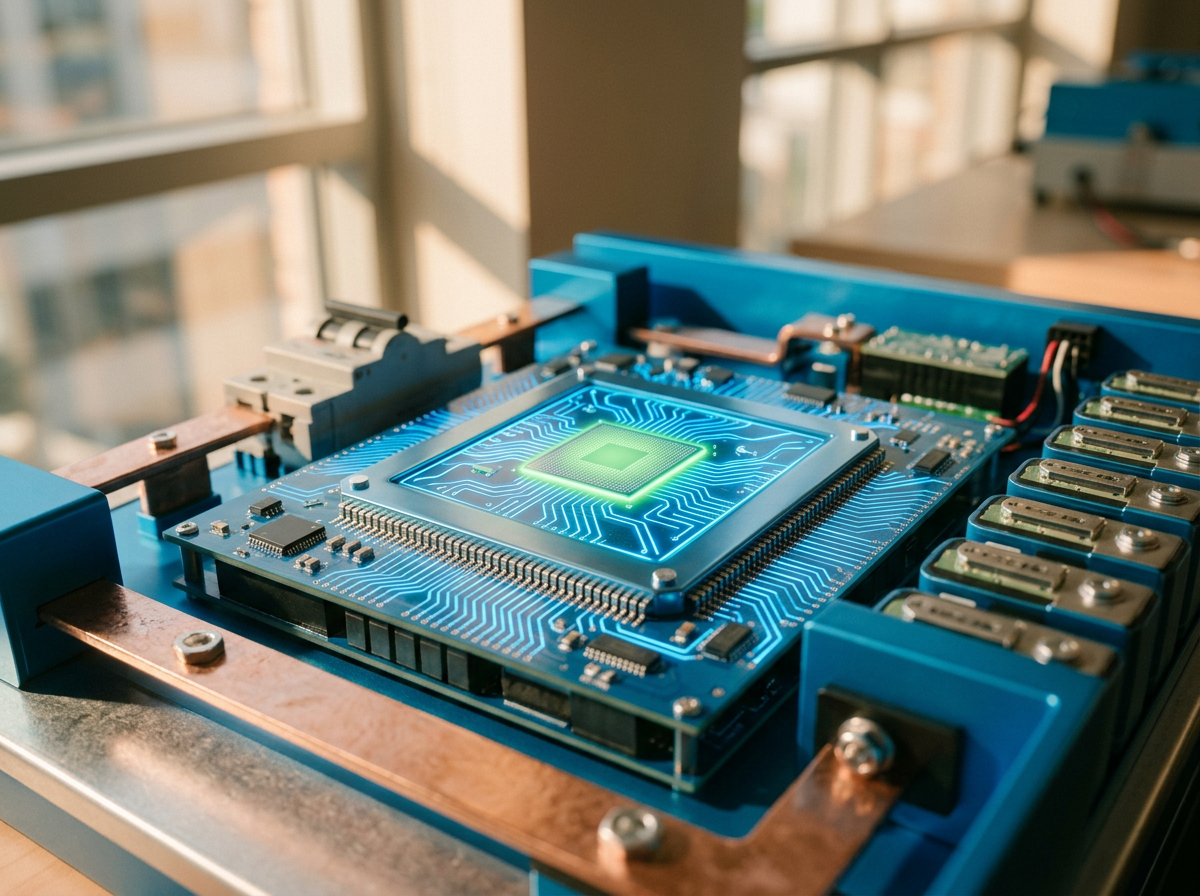
Once you know your power needs, picking the right inverter becomes crucial. From sine wave benefits to hybrid options, the choice impacts efficiency and performance.
Pure Sine Wave Inverter Benefits
A pure sine wave inverter offers clean power that mimics your regular grid. It’s essential for sensitive electronics, like computers and medical devices, ensuring they work without glitches. While often pricier, the investment pays off with reliability and device longevity. Users often report fewer issues with electronics when using these inverters.
Exploring Hybrid Inverter Options
Hybrid inverters combine solar and battery power, providing flexibility and efficiency. These systems let you integrate solar panels, maximizing renewable energy use. Hybrid options are perfect for eco-minded users wanting sustainable solutions. Always check compatibility with existing solar setups for seamless integration.
The Versatility of Inverter Trolleys
For those needing mobility, inverter trolleys offer a practical solution. These systems house batteries and inverters in a single, movable unit. Perfect for small spaces, they provide power where needed. Consider trolleys if you frequently rearrange your workspace or need portable backup power.
Scaling with LiFePO4 Batteries

As your power needs grow, your backup system should adapt. LiFePO4 batteries offer scalability and efficiency, ensuring long-term support.
Battery Cycle Life and Capacity
LiFePO4 batteries shine with their long cycle life. These batteries can handle thousands of charge cycles, making them a durable choice. When selecting, consider both capacity and lifespan to match your power needs. Reliable performance over time makes these batteries a smart investment for any setup.
MPPT Solar Charger Integration
Integrating an MPPT solar charger boosts your system’s efficiency by optimizing energy from solar panels. These chargers adjust to varying light conditions, ensuring maximum energy capture. Pairing them with LiFePO4 batteries enhances your backup system’s sustainability. This setup is ideal if you’re looking to minimize electricity costs.
Rack-Mount Battery Solutions
For larger setups or businesses, rack-mount batteries offer organized and scalable power storage. These systems fit neatly into server racks, saving space while providing ample power. They’re particularly useful in professional settings where space and scalability are concerns. Consider rack-mount solutions if you anticipate future growth.
Frequently Asked Questions
What size UPS do I need for my home office?
For a typical home office setup, a UPS with a capacity of 500-1000 watts should suffice to cover essential devices like computers and routers.
How do hybrid inverters benefit my backup system?
Hybrid inverters allow the integration of solar panels with battery power, maximizing renewable energy use and reducing reliance on the grid.
Are LiFePO4 batteries suitable for long-term use?
Yes, LiFePO4 batteries are known for their long cycle life, often enduring thousands of charge cycles, making them ideal for long-term use.
Why choose a pure sine wave inverter?
A pure sine wave inverter provides clean, stable power, which is crucial for running sensitive electronics without interruptions or damage.
Can inverter trolleys be used in small spaces?
Yes, inverter trolleys are compact and portable, making them suitable for small spaces where mobility is needed.
Discover new ways to power your IT setup efficiently.
